We Care Collective
We Care Collective
A specialised 4 and 8 week safeguarding training programme designed to support vulnerable young people who are at increased risk of harm outside of the home — Extra Familial Harm.This includes exploitation, criminal influence, peer-to-peer harm and other safeguarding risks that young people face in their communities beyond the family environment.We work to align the curriculum to meet Ofsted inspection framework and statutory guidance which places importance on effective personal development, pastoral support and robust safeguarding.Our programme can be delivered in partnership with your pastoral and safeguarding teams to complement existing RSHE/PSHE work.The programme was founded by a senior social worker with extensive experience working with teenagers including those at risk of harm outside the home. This ensures interventions are trauma-informed, practical and grounded in real-world practice.

Pedagogy
We centre our work on exploring the internal and external factors such as social networks, strengthening confidence, self-awareness, and healthy relationships. This work aligns with the principles of promoting resilience and supporting pupils to navigate numerous complexities in their lives, which Ofsted identifies as critical to personal development provision.We will use the We Care Collective approach, it is evidence based that draws on Contextual Safeguarding, Ecological and Trauma informed approaches.Colakkadioglu and Celik (2016) has highlighted decisions made between adolescence and early adulthood are integral for the individuals life course. Hence, the programme takes a holistic view of the pupils current lived experiences. Decision making correlates with an individual’s ability to problem solve, self-esteem and perception of self (DeLucia-Waack, 2006; Singh & Chaudhary, 2015; Josephs et al. 1992). The programme is influenced by this school of thought.
Programme Outcomes
* Develop an understanding of personal emotions, strategies for emotional regulation and identifying support systems.* Foster a community among young people by encouraging collaboration on complex issues.* Promote kindness and respectful engagement with oneself and others.* Enhance awareness of adult perspectives regarding extra-familial harm through informed discussion.* Facilitate peer review and peer-led reflection to support diverse viewpoints and shared learning experiences.
8 Week Programme
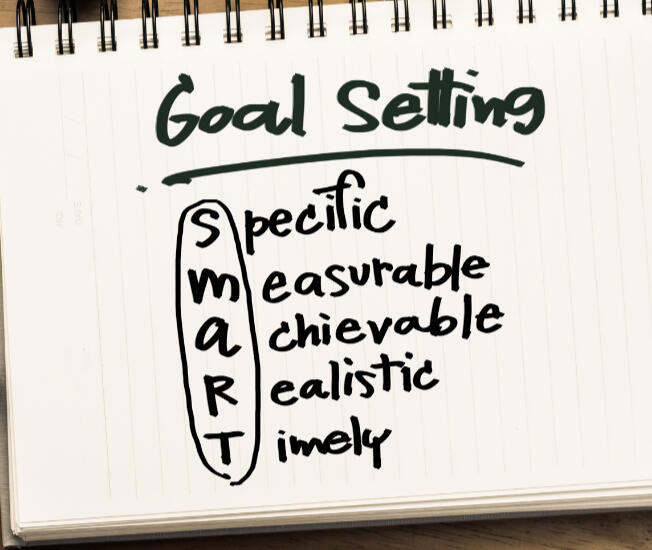
An eight week programme provides an ideal timeframe for the facilitator to establish meaningful trust with the group, while also supporting the development of trust among participants. This foundation of trust encourages emotional safety and appropriate vulnerability, both of which are essential for achieving lasting and meaningful change.Within the eight-week programme, participants explore deep-rooted beliefs, ideologies, the impact behaviour can have on themselves and their wider social networks.
The 8 week programme focuses on behavioural changes toward to deeper, second-order learning and reflection. The programme aims for young people to leave with a strong sense of community—one that can support them in navigating emotions and managing complex situations beyond the programme setting.There are two mini-programmes provided to strengthen the sense of community and consolidate the groups learning.These follow up workshops also encourage shared responsibility and decision-making, reinforcing the community values emphasised throughout the programme.
4 Week Programme
4 week programme is basic consisting of workshops which cover cognitive dissonance, emotional regulation, self-esteem building and safety planning. As we are working with the young people for a limited period of time it is important to select workshop the young people can utilise quickly.The 4 week programme is the beginning of positive intervention, however it will require the community around young people to combine learning and practice the new approaches they have acquired. The programmes unique element is to build a peer network which works as a buffer or ‘good council’ as they progress through their adolescences. To facilitate this we provide 1 mini workshop which shall enhance their learning.
Pricing+
At We Care Collective want the programme to be accessible to those who are in need of a specialised programme.
£1,500
4 Week Programme
£2,500
8 Week Programme
Contact Us
If you are interested in our programmes (Schools, Colleges, Alternative Education) please contact us at : [email protected] or use the contact form.

Founder Dennika Francis-Phillips
References for text
OLAKKADIOGLU, O. and CELIK, D.B. (2016). The effect of decision-making skill training programs on self-esteem and decision-making styles. Eurasian Journal of Educational Research, [online] 16(65), pp.1–35. doi:https://doi.org/10.14689/ejer.2016.65.15.
DeLucia-Waack, J.L. (2006). Leading psychoeducational groups for children and adolescents. Thousand Oaks, Calif.: Sage Publications.
Dr. Arvinder Singh and Dr. Ajay K. Chaudhary (2015). SETP: A New Powerful Tool for Improving Problem Solving, Decision Making and Creativity in Teenagers. International Journal of Indian Psychology, 2(3). doi:https://doi.org/10.25215/0203.022.Josephs, R.A., Larrick, R.P., Steele, C.M. and Nisbett, R.E. (1992). Protecting the self from the negative consequences of risky decisions. Journal of Personality and Social Psychology, 62(1), pp.26–37. doi:https://doi.org/10.1037//0022-3514.62.1.26.
© Untitled. All rights reserved.